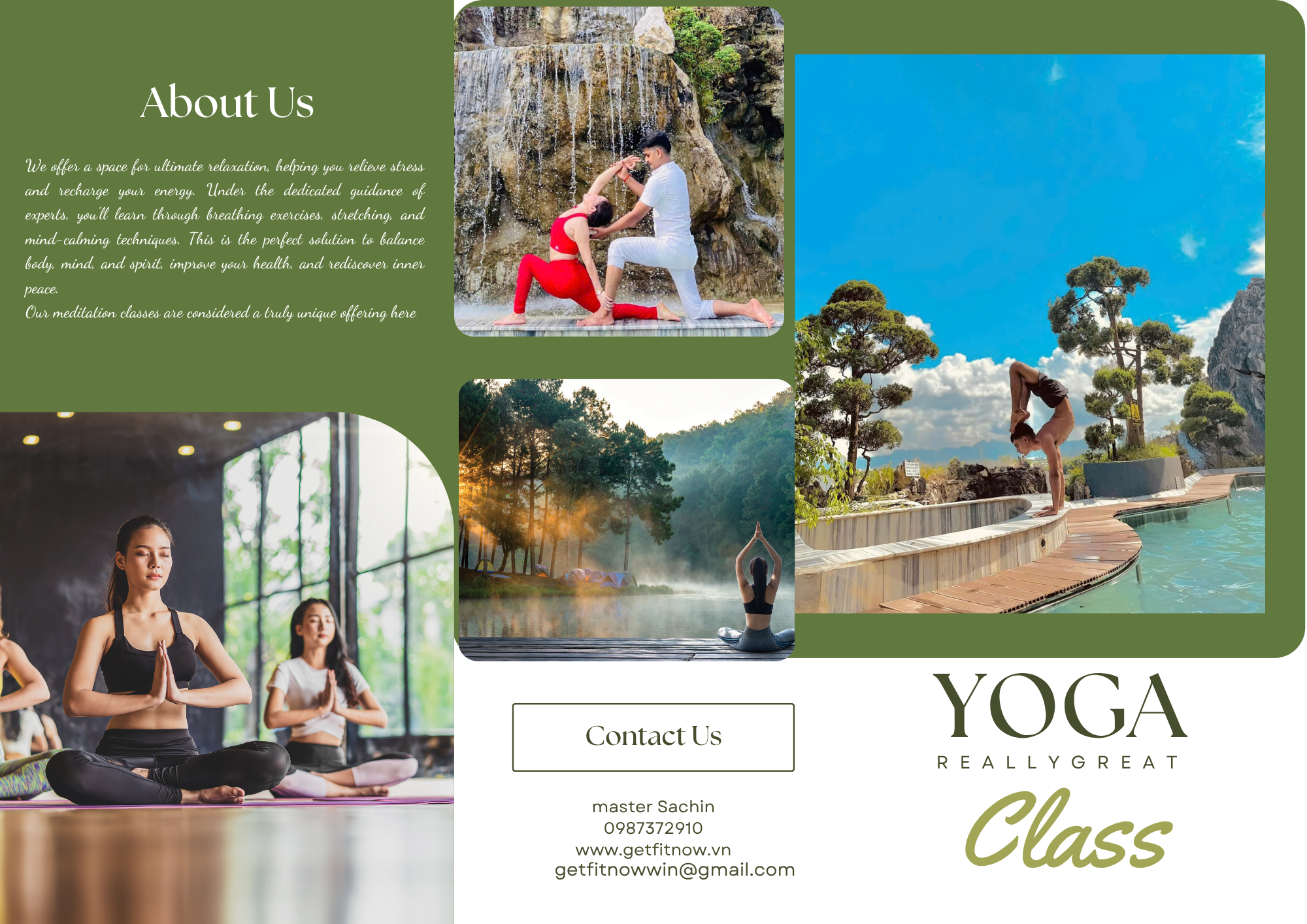
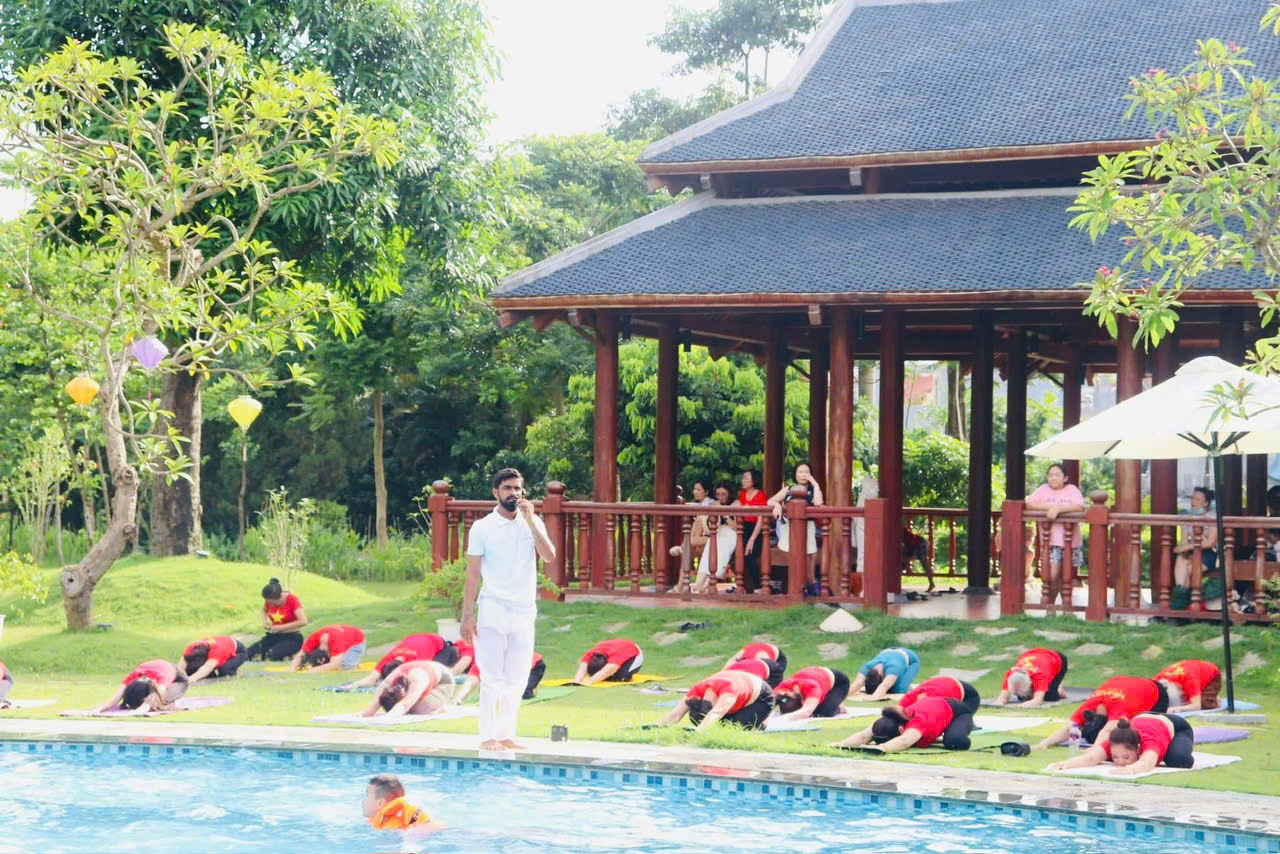
Yoga is not about flexibility; it is about establishing balance in life. At its core, basic yoga is a holistic practice that combines physical postures, breathing exercises, and meditation. It is designed to fit any body type, fitness level, or age, offering an accessible entry point to wellness.
For beginners, a basic yoga class focuses on foundational postures called asanas. These include gentle stretches, balancing poses, and strengthening movements like the Downward-Facing Dog or the Warrior pose. Teachers emphasize proper body alignment and safety, ensuring practitioners build a solid foundation without risking injury.
The physical benefits of basic yoga are immediate and compounding. Regular practice improves core strength, enhances joint flexibility, and corrects body posture caused by prolonged sitting. Beyond the physical perks, yoga serves as a powerful mental reset. By syncing movements with deep breathing, it calms the nervous system, reduces daily anxiety, and sharpens mental focus.
Starting a yoga journey requires no special skills or expensive equipment—only an open mind and a comfortable mat. It offers a judgment-free space to connect with your body and find inner quiet. Through basic yoga, you learn that progress is not about touching your toes, but about what you learn on the way down.
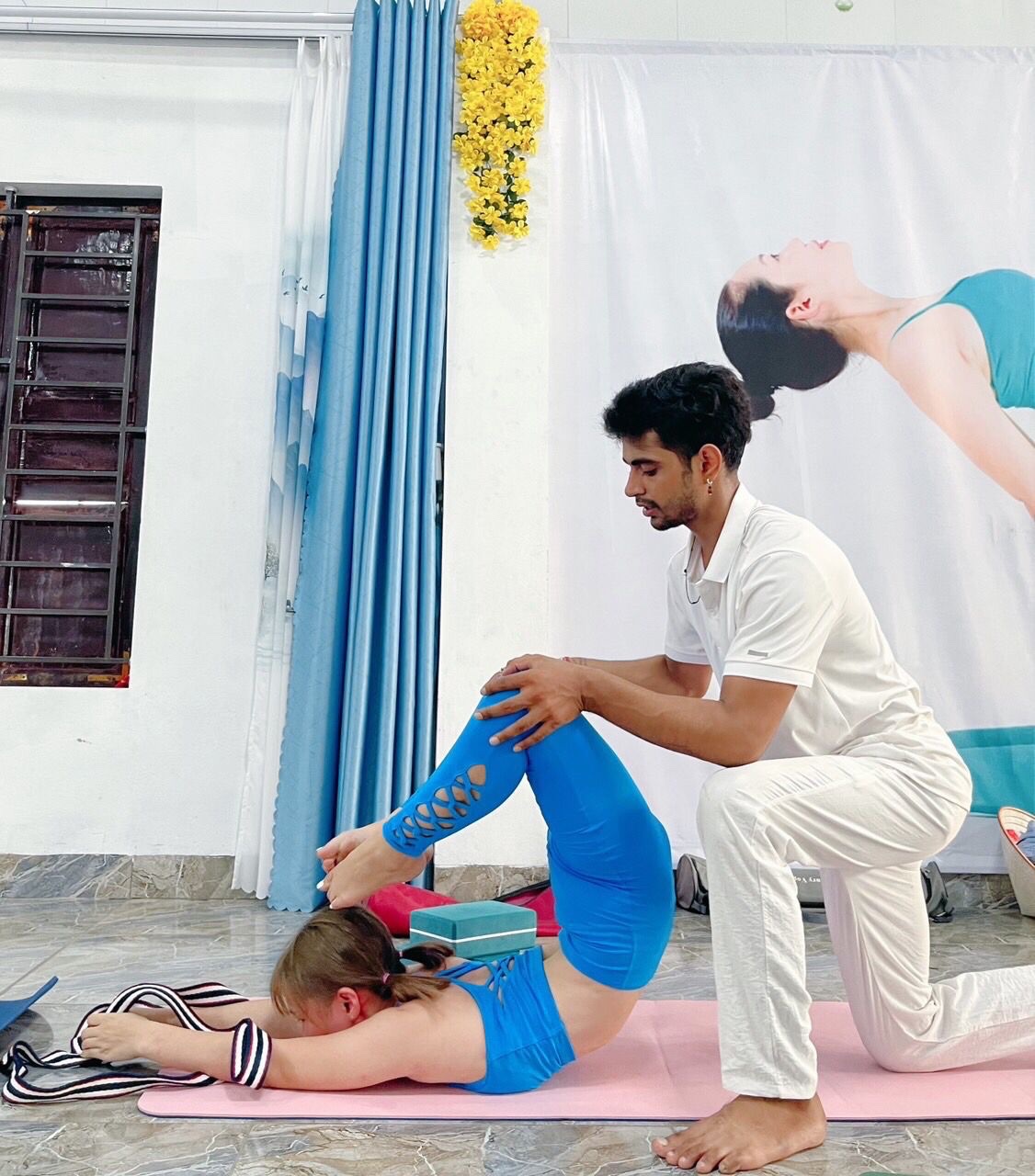
Advanced yoga is often misunderstood as a display of extreme flexibility or acrobatics. In reality, it is a profound practice of deep focus, intense body awareness, and mental mastery. While beginners learn foundational movements, advanced practitioners use physical challenges to test and expand the boundaries of their minds.
Physically, advanced yoga involves complex postures that require exceptional strength, balance, and precision. These include deep backbends, arm balances like the Crow Pose, and inversions like Headstands. Achieving these poses takes years of consistent practice. It demands a strong core, open joints, and a highly refined sense of spatial awareness.
However, the true essence of advanced yoga lies in the subtle energy and breath control. An advanced yogi performs difficult movements while maintaining a slow, steady breath and a perfectly calm mind. The physical posture becomes a moving meditation. The practitioner learns to remain unbothered by discomfort, converting physical effort into inner stillness.
Ultimately, advanced yoga is not about showing off or achieving perfection. It is a tool to dissolve the ego and cultivate humility. Every advanced pose teaches patience, resilience, and respect for the body’s limits. It proves that the ultimate destination of yoga is not a complex posture, but a state of complete inner peace.
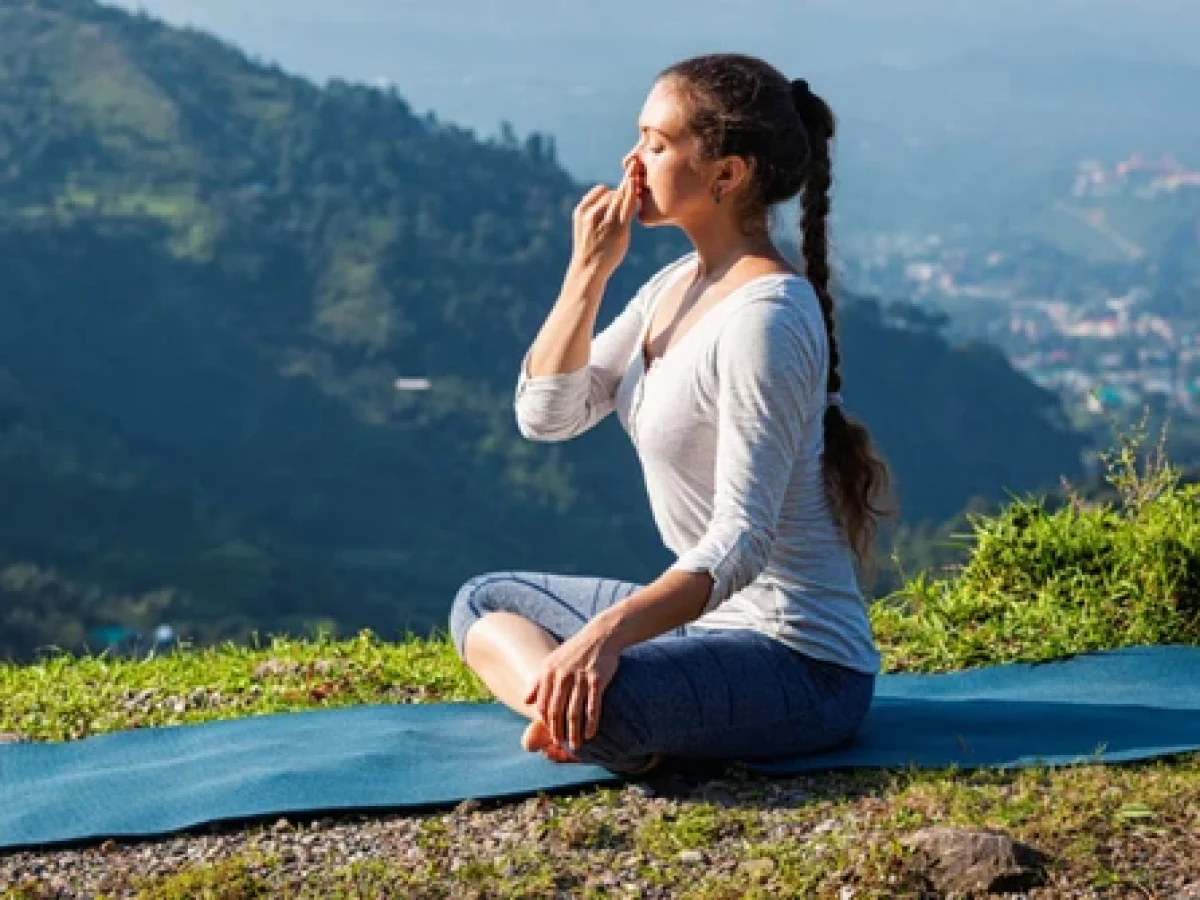
Breathing is life, but conscious breathing is transformation. In the practice of yoga, intentional breathing is known as Pranayama. The word comes from Sanskrit, where “prana” means vital life force and “ayama” means to extend or draw out. Together, Pranayama is the ancient practice of controlling and directing the breath to harmonize the mind, body, and spirit.
While modern life often forces people into shallow, rapid chest breathing, yogic breathing teaches deep, diaphragmatic inhalation and exhalation. This simple shift has profound effects on human physiology. By slowing down the breath, practitioners activate the parasympathetic nervous system, which immediately lowers heart rates and reduces cortisol levels. It acts as a natural antidote to chronic stress, anxiety, and mental fatigue.
There are many techniques within Pranayama, each serving a unique purpose. For instance, Alternate Nostril Breathing clears energy channels and brings mental balance. Meanwhile, Ujjayi breath, often called the ocean breath, builds internal heat and fosters deep concentration during physical postures.
Ultimately, yoga breathing is more than a preparation for meditation. It is a bridge between the conscious and unconscious mind. Dedicating just ten minutes a day to Pranayama can increase lung capacity, boost immune function, and bring a profound sense of inner peace. It reminds us that peace is not something to find outside, but a state of being we can inhale at any moment.
Let’s us make you Fly…
MEDITATION
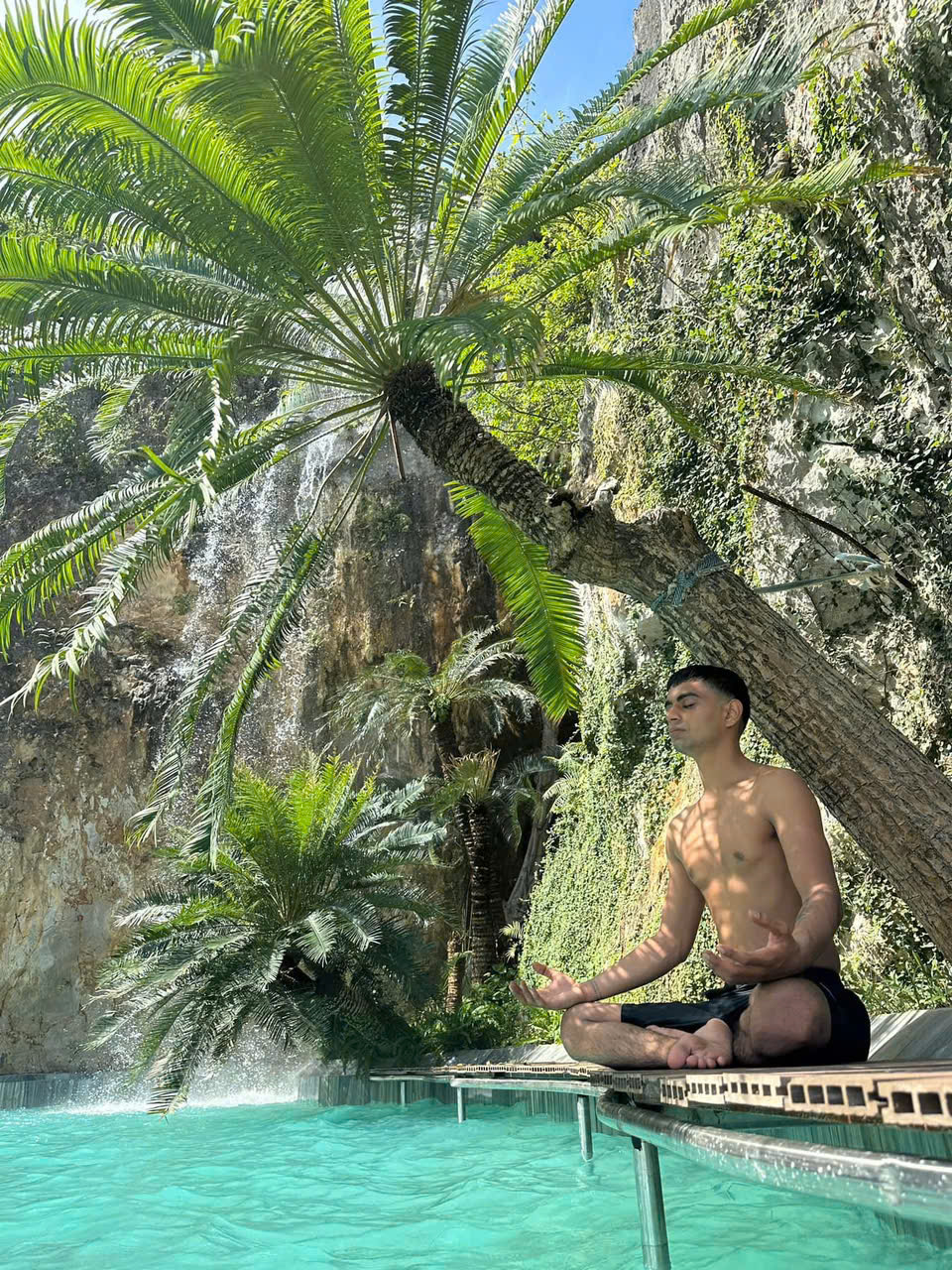
Meditation is a method of training the mind to achieve a state of stillness, awareness, and inner peace. During meditation, practitioners focus their attention on a single point (such as their breath, a mantra, or an image) to let go of distracting thoughts, helping the mind relieve stress. Key Benefits of Meditation
🧠 Mental Health:
♦Reduces stress: Lowers cortisol levels, promoting deep relaxation.
♦ Controls anxiety: Reduces symptoms of anxiety disorders and builds a positive response to pressure.
♦ Enhances concentration: Improves gray matter density in brain regions responsible for memory and attention.
♦ Balances emotions: Promotes positive thinking, increases empathy and self-compassion. 🩺
🧠 Physical Health:
♦ Improves sleep: Stimulates melatonin production for easier and deeper sleep.
♦ Lowers blood pressure: Reduces stress on the heart by relaxing nerve signals that regulate blood vessels.
♦ Reduces chronic pain: Changes how the brain receives pain signals, supporting the management of muscle and joint pain.
♦ Boosts the immune system: Reduces intracellular inflammatory responses, helping the body has better disease resistance
OM …
Contact Master Sachin for advice on the right course and special offers just for you.